WHEREAS disputes exist between the Akron, Canton and Youngstown Railroad Company and other carriers represented by the Eastern, Western and Southeastern Carriers' Conference Committees, designated in list A attached hereto and made a part hereof, and certain of their employees represented by the fifteen cooperating (non-operating) railway labor organizations designated in list B attached hereto and made a part hereof; and WHEREAS these disputes have not heretofore been adjusted under the provisions of the Railway Labor Act, as amended; and WHEREAS these disputes, in the judgment of the National Mediation Board, threaten substantially to interrupt interstate commerce to a degree such as to deprive the country of essential transportation service:
NOW, THEREFORE, #now-therefore
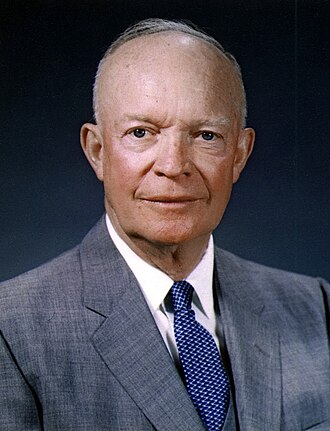
by virtue of the authority vested in me by section 10 of the Railway Labor Act, as amended (45 U.S.C. 160), I hereby create a board of three members, to be appointed by me, to investigate the said disputes. No member of the said board shall be pecuniarily or otherwise interested in any organization of employees or any carrier. The board shall report its findings to the President with respect to the said dispute within thirty days from the date of this order. As provided by section 10 of the Railway Labor Act, as amended, from this date and for thirty days after the board has made its report to the President, no change, except by agreement, shall be made by the Akron, Canton and Youngstown Railroad Company and other carriers represented by the Eastern, Western and Southeastern Carriers' Conference Committees or their employees in the conditions out of which the said disputes arose. DWIGHT D. EISENHOWER
THE WHITE HOUSE, #signature
December 28, 1953. LIST A EASTERN REGION Akron, Canton & Youngstown Railroad. Ann Arbor Railroad Company. Baltimore & Ohio Railroad Company: Baltimore & Ohio Chicago Terminal Railroad Co. Curtis Bay Railroad. Dayton and Union Railroad. Staten Island Rapid Transit Railway Co. Bessemer & Lake Erie Railroad Company. Boston & Maine Railroad Co. Boston Terminal Co. Brooklyn Eastern District Terminal. Buffalo Creek Railroad Co. Bush Terminal Railroad Company. Canadian National Railways: Canadian National Railways—Lines in N. E. United States & Canada Railroad. Champlain & St. Lawrence Railroad. Canadian National Railways—State of New York. St. Clair Tunnel Company. Central Railroad Co. of New Jersey. Central Vermont Railway. Inc. Chicago, Indianapolis & Louisville Railway. Chicago Union Station Co. Cincinnati Union Terminal Co. Dayton Union Railway Company. Delaware & Hudson Railroad Corporation. Delaware, Lackawanna & Western Railroad Co. Detroit & Toledo Shore Line Railroad. Detroit Terminal Railroad Company. Detroit, Toledo & Ironton Railroad. Erie Railroad Company. Grand Trunk Western Railroad Co. Hudson & Manhattan Railroad Co. Indianapolis Union Railway Co. Lake Terminal Railroad Co. Lehigh & New England Railroad Co. Lehigh Valley Railroad Co. Long Island Railroad Co. Maine Central Railroad Co. Portland Terminal Company. Monongahela Connecting Railroad Co. Monongahela Railway Company. Montour Railroad Co. Newburgh & South Shore Railway Co. New York Central System: New York Central Railroad. Federal Valley Railroad. New York Central Railroad—Buffalo & East. Buffalo Stock Yards. Grand Central Terminal. New York Central Railroad—West of Buffalo. Michigan Central Railroad. Cleveland, Cincinnati, Chicago & St. Louis Railway. Peoria & Eastern Railway. Louisville & Jeffersonville Bridge & Railroad Co. Boston & Albany Railroad. Indiana Harbor Belt Railroad. Chicago River & Indiana Railroad. Chicago Junction Railway. Pittsburgh & Lake Erie Railroad. Lake Erie & Eastern Railroad. Cleveland Union Terminals Company. Troy Union Railroad Company. New York, Chicago & St. Louis Railroad Co. New York Dock Railway. New York, New Haven & Hartford Railroad Co. New York, Susquehanna & Western Railroad Co. Northampton & Bath Railroad Co. Pennsylvania Railroad Company: Baltimore & Eastern Railroad Co. Pennsylvania-Reading Seashore Lines. Pittsburgh & West Virginia Railway Co. Pittsburgh, Chartiers & Youghiogheny Railway Co. Railroad Perishable Inspection Agency. Reading Company: Philadelphia Reading & Pottsville Telegraph Co. Beaver Creek Water Company. River Terminal Railway Company. Toledo Terminal Railroad Company. Union Depot Co. (Columbus, Ohio). Union Freight Railroad Co. (Boston). Union Inland Freight Station. Union Railroad Co. (Pittsburgh, Pa.). Washington Terminal Company. Youngstown & Northern Railway Co. WESTERN REGION Alton & Southern Railroad. Atchison, Topeka & Santa Fe Railway: Gulf, Colorado & Santa Fe Railway. Panhandle & Santa Fe Railway. Atchison Union Depot & Railroad Co. Belt Railway Company of Chicago. Chicago, Burlington & Quincy Railroad: Colorado & Southern Railway Company. Fort Worth and Denver Railway Co. Camas Prairie Railroad Company. Chicago & Eastern Illinois Railroad Co. Chicago Heights Terminal Transfer Railroad Co. Chicago & Illinois Midland Railway Co. Chicago & North Western Railway: Chicago, St. Paul, Minneapolis and Omaha Railway Co. Chicago and Western Indiana Railroad Co. Chicago Great Western Railway Co. Chicago, Milwaukee, St. Paul & Pacific Railroad. Chicago, Terre Haute & Southeastern Railway Co. Chicago, Rock Island & Pacific Railroad Co.: Peoria Terminal Co. Colorado & Wyoming Railroad. Davenport, Rock Island & North Western Railway. Denver & Rio Grande Western Railroad. Denver Union Terminal Railway. Des Moines Union Railway. Duluth, South Shore & Atlantic Railroad Co. Duluth Union Depot & Transfer Co. Duluth, Winnipeg & Pacific Railway. East St. Louis Junction Railroad Co. Elgin, Joliet & Eastern Railway. El Paso Union Passenger Depot Co. Galveston, Houston & Henderson Railroad Co. Great Northern Railway Co. Green Bay & Western Railroad: Kewaunee, Green Bay & Western Railroad Co. Houston Belt & Terminal Railway. Illinois Central Railroad Company. Illinois Terminal Railroad Company. Joplin Union Depot Co. Kansas City Southern Railway: Arkansas Western Railway. Fort Smith & Van Buren Railway. Louisiana & Arkansas Railway. Kansas City Terminal Railway. Lake Superior & Ishpeming Railroad Co. Lake Superior Terminal & Transfer Railway. Litchfield & Madison Railway Co. Los Angeles Junction Railway Co. Manufacturers Railway Co. Midland Valley Railroad: Kansas, Oklahoma & Gulf Railway. Oklahoma City-Ada-Atoka Railway. Minneapolis & St. Louis Railway Co. Minneapolis, St. Paul & Sault Ste. Marie Railroad Co. Minnesota Transfer Railway. Missouri-Kansas-Texas Railroad Co.: Missouri-Kansas-Texas Railroad Co. of Texas. Missouri-Illinois Railroad Co. Missouri Pacific Railroad Co.: Missouri Pacific Lines in Texas & Louisiana. Northern Pacific Terminal Co. of Oregon. Northern Pacific Railway Co.: Walla Walla Valley Railway Company. Ogden Union Railway & Depot Co. Oregon, California & Eastern Railway Co. Pacific Coast Railroad Company. Peoria and Pekin Union Railway Co. Pueblo Union Depot and Railroad Co. Railway Transfer Company of the City of Minneapolis. St. Joseph Terminal Railroad Co. St. Louis-San Francisco Railway Co.: St. Louis, San Francisco and Texas Railway Co. St. Louis Southwestern Railway Co. St. Louis Southwestern Railway Co. of Texas. St. Paul Union Depot Co. Sioux City Terminal Railway. Southern Pacific Company: Northwestern Pacific Railroad Co. San Diego & Arizona Eastern Railway Co. Texas and New Orleans Railroad Co. South Omaha Terminal Railway Company. Spokane International Railroad Company. Spokane, Portland & Seattle Railway: Oregon Electric Railway. Oregon Trunk Railway. Terminal Railroad Association of St. Louis. Texas & Pacific Railway: Abilene & Southern Railway. Denison & Pacific Suburban Railway. Fort Worth Belt Railway. Texas-New Mexico Railway. Texas Short Line Railway. Weatherford Mineral Wells & Northwestern Railway. Texas Mexican Railway Co. Texas Pacific-Missouri Pacific Terminal Railroad of New Orleans. Toledo, Peoria & Western Railroad. Union Pacific Railroad Co. Union Railway Company. Union Terminal Company: St. Joseph Belt Railway Co. Wabash Railroad Company. Western Pacific Railroad Co.: Sacramento Northern Railway. Tidewater Southern Railway. Yakima Valley Transportation Company. SOUTHEASTERN REGION Atlantic Coast Line Railroad. Atlanta & West Point: Western Railway of Alabama. Atlanta Joint Terminals. Central of Georgia Railway. Charleston & Western Carolina Railway. Chesapeake & Ohio Railway. Clinchfield Railroad. Florida East Coast Railway. Georgia Railroad: Augusta Union Station. Gulf, Mobile & Ohio Railroad. Jacksonville Terminal Co. Kentucky & Indiana Terminal Railroad. Louisville & Nashville Railroad. Nashville, Chattanooga & St. Louis Railway. Norfolk & Portsmouth Belt Line. Norfolk & Western Railway. Richmond, Fredericksburg & Potomac Railroad: Richmond Terminal Railway Co. Potomac Yard. Seaboard Air Line Railway Co. Southern Railway: Alabama Great Southern Railway Co. Cincinnati, New Orleans & Texas Pacific Railway. Georgia Southern & Florida Railway. Harriman & Northeastern Railroad Co. New Orleans & Northeastern Railroad. New Orleans Terminal Co. St. Johns River Terminal Co. Tennessee Central Railway Company. Virginian Railway Company. LIST B 1. International Association of Machinists. 2. International Brotherhood of Boilermakers, Iron Ship Builders and Helpers of America. 3. International Brotherhood of Blacksmiths, Drop Forgers and Helpers. 4. Sheet Metal Workers' International Association. 5. International Brotherhood of Electrical Workers. 6. Brotherhood Railway Carmen of America. 7. International Brotherhood of Firemen, Oilers, Helpers, Roundhouse and Railway Shop Laborers. 8. Brotherhood of Railway and Steamship Clerks, Freight Handlers, Express and Station Employes. 9. Brotherhood of Maintenance of Way Employes. 10. The Order of Railroad Telegraphers. 11. Brotherhood of Railroad Signalmen of America. 12. National Organization Masters, Mates and Pilots of America. 13. National Marine Engineers' Beneficial Association. 14,. International Longshoremen's Association. 15. Hotel and Restaurant Employees and Bartenders International Union.
