Early Statesman synthesis distilling legal jargon into practical meaning, statutory anchors, and structural constitutional impacts.
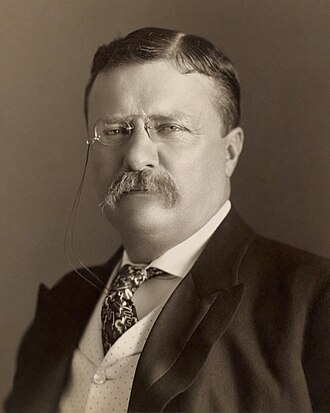
This executive order, signed by President Theodore Roosevelt on 1902-07-10, establishes federal administrative policy concerning "Executive Order." It is a direct, concise executive instruction delivering focused administrative or military commands to department leadership.
Constitutional Assessment: Scrutinized through Article II, Section 2, this action exercises the President's constitutional role as Commander in Chief. Early Framers recognized broad executive discretion in commanding military forces during conflict, provided it remains bounded by congressional declarations and respects civilian domestic courts.
Key Directives & Operative Actions
▪No enlisted person in the Navy service of the United States shall be discharged therefrom prior to the completion of his term of enlistment, except for one of the following causes: Undesirability, inaptitude, physical or mental disability, or unfitness.
▪Applications for discharges which reach the department except through the commanding officers of vessels shall be without exception disregarded.
Constitutional & Societal Entities Impacted
🏛️ Armed Forces & Military Establishments
🏛️ Executive Departments & Federal Civil Servants
Total Words
85
556 characters
Estimated Read Time
1 min
@ 200 words / min
Flesch-Kincaid
17.1
Post-Grad reading level
Constitutional Polarity
+0.02
Framers' Alignment index
📜
Scholarly & Legal Citations
Exec. Order, "Executive Order," Theodore Roosevelt (Jul 10, 1902). Available at https://executiveordersarchive.org/orders/app-executive-order-39.
Official Document Text
Source: The American Presidency Project (UCSB Archive)
No enlisted person in the Navy service of the United States shall be discharged therefrom prior to the completion of his term of enlistment, except for one of the following causes: Undesirability, inaptitude, physical or mental disability, or unfitness. In every case, the recommendation for such discharge must be made by the commanding officer of the vessel on which the man may be serving. Applications for discharges which reach the department except through the commanding officers of vessels shall be without exception disregarded. THEODORE ROOSEVELT