Early Statesman synthesis distilling legal jargon into practical meaning, statutory anchors, and structural constitutional impacts.
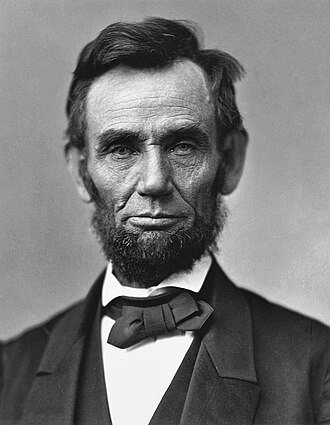
This executive order, signed by President Abraham Lincoln on 1864-04-02, establishes federal administrative policy concerning "Executive Order." It is a direct, concise executive instruction delivering focused administrative or military commands to department leadership.
Constitutional Assessment: Reviewed under the Tenth Amendment and the principle of dual federalism, this order touches upon domains traditionally reserved to the sovereign States. The Framers would caution against any attempt to commandeer state officers or displace local police powers through federal executive fiat.
Key Directives & Operative Actions
▪Formal executive instruction issued by the President establishing official administrative policy on Executive Order.
Constitutional & Societal Entities Impacted
🏛️ Sovereign State Governments & Localities
🏛️ Foreign Nations & International Entities
Total Words
76
437 characters
Estimated Read Time
1 min
@ 200 words / min
Flesch-Kincaid
33.6
Post-Grad reading level
Constitutional Polarity
+0.02
Framers' Alignment index
📜
Scholarly & Legal Citations
Exec. Order, "Executive Order," Abraham Lincoln (Apr 2, 1864). Available at https://executiveordersarchive.org/orders/app-executive-order-394.
Official Document Text
Source: The American Presidency Project (UCSB Archive)
Ordered, That the Executive order of September 4, 1863, in relation to the exportation of live stock from the United States, be so extended as to prohibit the exportation of all classes of salted provisions from any part of the United States to any foreign port, except that meats cured, salted, or packed in any State or Territory bordering on the Pacific Ocean may be exported from any port of such State or Territory. ABRAHAM LINCOLN.