Early Statesman synthesis distilling legal jargon into practical meaning, statutory anchors, and structural constitutional impacts.
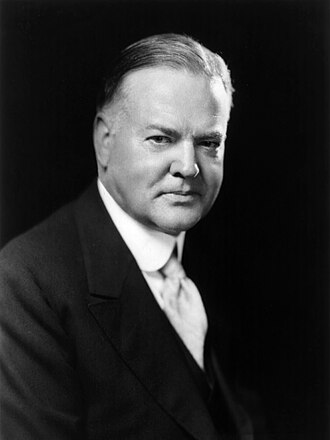
This executive order, signed by President Herbert Hoover on 1932-03-26, establishes federal administrative policy concerning "Leaves of Absence, Foreign Service." It is a direct, concise executive instruction delivering focused administrative or military commands to department leadership.
Constitutional Assessment: Evaluated against the Fifth Amendment, this action touches upon property or economic rights. An early statesman would insist upon strict adherence to due process of law and the constitutional guarantee that private holdings shall not be encumbered or taken for public purposes without just compensation and lawful process.
Key Directives & Operative Actions
▪Paragraph (d), section 8, Chapter VI, Instructions to Diplomatic Officers, and paragraph (d), section 467 of the Consular Regulations of 1896, are hereby amended to read as follows: (d) Leave without compensation.
Constitutional & Societal Entities Impacted
🏛️ Sovereign State Governments & Localities
🏛️ Executive Departments & Federal Civil Servants
🏛️ Private Citizens & Property Owners
Total Words
153
883 characters
Estimated Read Time
1 min
@ 200 words / min
Flesch-Kincaid
22.8
Post-Grad reading level
Constitutional Polarity
+0.23
Framers' Alignment index
📜
Scholarly & Legal Citations
Exec. Order No. 5825, Herbert Hoover (Mar 26, 1932). Available at https://executiveordersarchive.org/orders/app-executive-order-5825-leaves-absence-foreign-service.
Official Document Text
Source: The American Presidency Project (UCSB Archive)
Paragraph (d), section 8, Chapter VI, Instructions to Diplomatic Officers, and paragraph (d), section 467 of the Consular Regulations of 1896, are hereby amended to read as follows: (d) Leave without compensation. If consistent with the public interest, leave of absence for good reason may be granted without compensation for a longer time than that stipulated in these regulations for leave of absence with pay; and in any case in which leave of absence in one calendar year is to be extended to cover continuously all or a portion of the leave for the ensuing year, the absence in the first year may be supplemented in the discretion of the Secretary of State by leave without salary in sufficient amount to cover the absence to the end of that calendar year, in order that the leave with pay in the following year may be available. HERBERT HOOVER The White House, March 26, 1932.