Early Statesman synthesis distilling legal jargon into practical meaning, statutory anchors, and structural constitutional impacts.
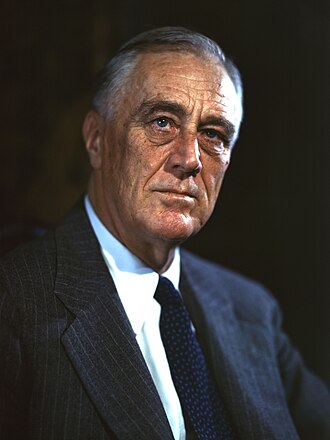
This executive order, signed by President Franklin D. Roosevelt on 1942-11-09, establishes federal administrative policy concerning "Suspending in Part the Provisions of Section 12 of the Naval Aviation Cadet Act of 1942." It is a direct, concise executive instruction delivering focused administrative or military commands to department leadership.
Constitutional Assessment: Scrutinized through Article II, Section 2, this action exercises the President's constitutional role as Commander in Chief. Early Framers recognized broad executive discretion in commanding military forces during conflict, provided it remains bounded by congressional declarations and respects civilian domestic courts.
Key Directives & Operative Actions
▪Formal executive instruction issued by the President establishing official administrative policy on Suspending in Part the Provisions of Section 12 of the Naval Aviation Cadet Act of 1942.
Exec. Order No. 9268, Franklin D. Roosevelt (Nov 9, 1942). Available at https://executiveordersarchive.org/orders/app-executive-order-9268-suspending-part-the-provisions-section-12-the-naval-aviation-cadet.
Official Document Text
Source: The American Presidency Project (UCSB Archive)
By virtue of the authority vested in me by the Naval Aviation Cadet Act of 1942, approved August 4, 1942 (Public Law 698—77th Congress), the provisions of section 12 of said act, except those of the first proviso thereof, are hereby suspended during the present war as to all officers who were formerly enlisted in the grade of aviation cadet or transferred to that enlisted grade subsequent to September 3, 1942. FRANKLIN D ROOSEVELT The White House, November 9, 1942.