Early Statesman synthesis distilling legal jargon into practical meaning, statutory anchors, and structural constitutional impacts.
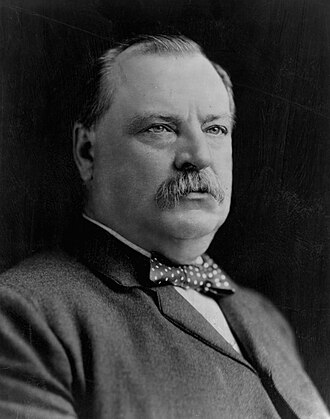
This executive order, signed by President Grover Cleveland on 1885-07-16, establishes federal administrative policy concerning "Executive Order." It is a direct, concise executive instruction delivering focused administrative or military commands to department leadership.
Constitutional Assessment: This action represents an orderly exercise of Article II administrative discretion, managing the internal machinery and personnel of the executive branch without abridging the ancient liberties of the people.
Key Directives & Operative Actions
▪In the exercise of the power vested in the President by the Constitution, and by virtue of the seventeen hundred and fifty-third section of the Revised Statutes and of the civil-service act approved January 16, 1883, the following special rule for the regulation and improvement of the executive civil service is hereby promulgated: SPECIAL RULE NO.
Constitutional & Societal Entities Impacted
🏛️ Executive Departments & Federal Civil Servants
Total Words
135
798 characters
Estimated Read Time
1 min
@ 200 words / min
Flesch-Kincaid
20.8
Post-Grad reading level
Constitutional Polarity
+0.02
Framers' Alignment index
📜
Scholarly & Legal Citations
Exec. Order, "Executive Order," Grover Cleveland (Jul 16, 1885). Available at https://executiveordersarchive.org/orders/app-executive-order-337.
Official Document Text
Source: The American Presidency Project (UCSB Archive)
In the exercise of the power vested in the President by the Constitution, and by virtue of the seventeen hundred and fifty-third section of the Revised Statutes and of the civil-service act approved January 16, 1883, the following special rule for the regulation and improvement of the executive civil service is hereby promulgated: SPECIAL RULE NO. 4. Appointments to the 150 places in the Pension Office provided to be filled by the act of March 3, 1885, except so far as they may be filled by promotions or transfers, must be separately apportioned by the appointing power in as near conformity to the second section of the act of January 16, 1883, as the need of filling them promptly and the residence and qualifications of the applicants will permit. Approved, July 16, 1885. GROVER CLEVELAND