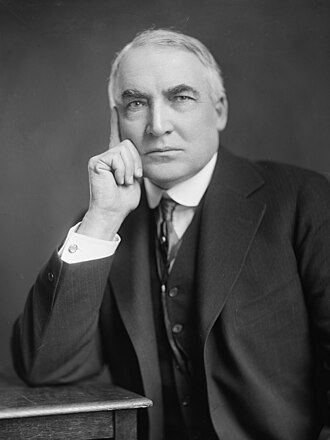
I hereby prescribe the following rules and regulations with regard to the preparation and submission of the Budget and the conduct of the Bureau of the Budget. Revision of the Estimates . Pursuant to the provisions of section 207 of the Budget and Accounting Act, the Bureau of the Budget, under the supervision of the Director and subject to review and determination by the President, shall assemble, revise, reduce or increase the estimates of the departments or establishments as submitted to the Bureau. The Director of the Budget shall determine the plan as to the contents, order and arrangements of the estimates. In increasing or decreasing the estimates of the appropriations necessary for any department or establishment he shall take into consideration any proper reduction in working forces, reduction in compensation, and the elimination of unnecessary activities. Estimates, however, in respect to the principal or interest of the public debt shall be subject to revision only with the concurrence of the Secretary of the Treasury. For the purpose of assisting the President with information in, the formation of business policy for the Government the estimates of appropriations and of expenditures and receipts, when assembled and revised by the Bureau, shall be transmitted by the Director to the President as soon as possible after their receipt from the departments and establishments by the Bureau, in the form cf a consolidated statement of estimated revenue and expenditure, with supporting schedules. 2. Concurrently with the transmission of the estimates by the Director of the Bureau of the Budget to the President, the Secretary of the Treasury shall transmit a statement, for the information of the President, showing, from the point of view of the Treasury, the relation between the estimated appropriations and expenditures and the estimated receipts of the Government. This statement shall contain ail necessary memoranda and tables, together with such other comments as may be pertinent to the subject matter of the Budget, including suggestions and recommendations as to how the revenue needs of the Government may be met. The Secretary of the Treasury shall, at the same time, prepare and transmit to the President, for incorporation in the budget, the figures for the actual expenditures of the Government for the last completed fiscal year, the figures for the actual and estimated receipts for the last, the current and the ensuing fiscal years, required by sub-divisions (b), (c), and (d) of section 201 of the Budget and Accounting Act, and also the financial statements required by the provisions of sub-divisions (f), (g), and (h) of the same section. The Secretary of the Treasury shall, if the estimated receipts for the ensuing fiscal year, on the basis of laws existing at the time the budget is transmitted, plus the estimated amounts in the Treasury at the close of the fiscal year, in progress available for expenditure in the ensuing fiscal year, are less than the estimated expenditures for the ensuing fiscal year, make recommendations to the President for new taxes, loans, or other appropriate action to meet the estimated deficiency. If, on the other hand, the aggregate of such estimated receipts and such estimated amounts in the Treasury is greater than such estimated expenditures for the ensuing fiscal year, the Secretary, for the information of the President, shall make such recommendations and suggest such financial measures as in his opinion the public interest may require. The Director of the Budget shall make available to the Secretary of the Treasury at his request any information in the possession of the Bureau or any of its employees in respect to the receipts and expenditures of the Government and any other matters that may be pertinent to the business of the Treasury. The Secretary of the Treasury shall make available to the Director of the Budget at his request any information in the possession of the Treasury or any of its employees in respect to the receipts and expenditures of the Government and any other matters that may be pertinent to the business of the Budget. 3. The Director of the Budget, in gathering information for the use of the President, acts for the President, and his calls upon the Chiefs of Bureaus and other Administrative Officers for purposes of consultation or information take precedence over the Cabinet Head of a Department, or any head of an independent organization. 4. The Budget Officer in each department, being appointed by the Cabinet head, will present to the Director of the Budget the views of the Cabinet head upon the wisdom of conclusions drawn by the Director of the Budget, for the use of the Chief Executive and Congress; but, as in the case of Bureau Chiefs and other officers, the call of the Director of the Budget for their presence and advice takes precedence over the Cabinet head. 5. The, coordinating agencies established by the Executive are for the purpose of enabling the President, in matters of routine business, to so coordinate the activities of the different departments and establishments as will insure the most economical and efficient expenditure of moneys appropriated by Congress. They provide the machinery through which, with the minimum of obstruction and delay, the Executive may impose a unified plan of governmental routine business. The Director of the Bureau of the Budget shall have general supervision over the work of the coordinating agencies heretofore created by Executive Order, subject to such instructions as may hereafter be issued by the President. 6. The Chief Coordinator, General Supply, appointed under the provisions of Executive Order of July 27, 1921, shall exercise general supervision, subject to the Director of the Budget, over the coordination of the routine business activities of the governmental organization, with particular attention to methods of purchasing, liquidation of supplies, specification of materials, advertising, warehousing, employment, manufacturng, disbursing and other ordinary business activities of the Government. 7. The decision of the Chief Coordinator, in all matters of coordination, shall be transmitted to the heads of departments or independent establishments concerned and shall be final, except that such heads may appeal to the Director of the Budget within four days after the receipt of notice of the coordinating order, and if not sustained by the Director of the Budget may appeal to the President of the United States within six days after the decision of the Director of the Budget. If such appeal is not taken or is not sustained the decision in question shall stand, and shall be published to those affected by the heads of the departments concerned. 8. The heads of departments and subordinate officials will retain all present responsibility with respect to individual business transactions, subject to such policies as may be imposed in the manner indicated above. 9. All persons heretofore or hereafter appointed to duty under the Chief Coordinator, either in Washington or in the Corps Areas of the country, shall be regarded as so appointed or detailed by the President of the United States, and they shall not be subject to reassignment by department heads except as authorized by Executive Order. Such persons shall not be required to submit any report to any1 department except such as may be required as to their location or assignment or for purposes of pay, the intention being to prevent any interference with their direct responsibility to the President of the United States and his agents, the Director of the Budget and the Chief Coordinator. The above does not apply to departmental representatives on the various coordinating boards, and, in case of those detailed to coordinating duty in addition to other duties, it applies only with respect to such coordinating duty. 10. All Bureau chiefs and employees of the executive Government are directed to furnish any available information desired for purposes of coordination, or to attend any conference on coordination, at the request of the Chief Coordinator. It shall not be necessary for any duly authorized representative of the Director of the Budget, of the Chief Coordinator or any coordinating authority established by Executive Order, to secure the approval of the head of a department or military or naval authority of a request for information for use in connection with the activities of the coordinating bodies. The duly authorized agents of the Director of the Budget, of the Chief Coordinator, or of the coordinating boards, shall have access to all books and papers of the various departments and independent establishments which contain any information pertinent to. the subject under consideration for coordination. 11. All departments and establishments must be so organized for the transaction of matters of routine business as to facilitate their proper cooperation with the general coordinating agencies. Where the existing form of the organization of the routine, business of the departments and establishments, or the form of reorganization suggested by the head of the department or establishment does not, in the judgment of the Director, of the Bureau of the Budget, properly meet the requirements of the situation, the Director of the Bureau of the Budget shall recommend to the President the form which, in his judgment, such departmental organization should take to that end. In his final determination of the form of organization the President will then consider the recommendations of the department head or head of the independent establishment concurrently with those of the Director of the Budget. 12. All coordinating agencies made subject by Executive Order to the supervision of the Director of the Budget shall make quarterly reports to him of their activities for transmission by him to the President. WARREN G. HARDING
THE WHITE HOUSE, #signature
November 8, 1921.
