Early Statesman synthesis distilling legal jargon into practical meaning, statutory anchors, and structural constitutional impacts.
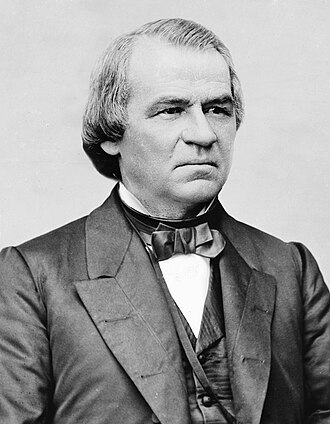
This executive order, signed by President Andrew Johnson on 1865-08-07, establishes federal administrative policy concerning "Executive Order." It is a direct, concise executive instruction delivering focused administrative or military commands to department leadership.
Constitutional Assessment: This action represents an orderly exercise of Article II administrative discretion, managing the internal machinery and personnel of the executive branch without abridging the ancient liberties of the people.
Key Directives & Operative Actions
▪Formal executive instruction issued by the President establishing official administrative policy on Executive Order.
Constitutional & Societal Entities Impacted
🏛️ Executive Departments & Federal Civil Servants
Total Words
162
1,005 characters
Estimated Read Time
1 min
@ 200 words / min
Flesch-Kincaid
14.8
Post-Grad reading level
Constitutional Polarity
+0.02
Framers' Alignment index
📜
Scholarly & Legal Citations
Exec. Order, "Executive Order," Andrew Johnson (Aug 7, 1865). Available at https://executiveordersarchive.org/orders/app-executive-order-452.
Official Document Text
Source: The American Presidency Project (UCSB Archive)
An impression seems to prevail that the interests of persons having business with the executive government require that they should have personal interviews with the President or heads of Departments. As this impression is believed to be entirely unfounded, it is expected that applications relating to such business will hereafter be made in writing to the head of that Department to which the business may have been assigned by law. Those applications will in their order be considered and disposed of by heads of Departments, subject to the approval of the President. This order is made necessary by the unusual numbers of persons visiting the seat of Government. It is impracticable to grant personal interviews to all of them, and desirable that there should be no invidious distinction in this respect. Similar business of persons who can not conveniently leave their homes must be neglected if the time of the executive officers here is engrossed by personal interviews with others. ANDREW JOHNSON.